When people think about cataract surgery, they often imagine it as a simple procedure to remove cloudy lenses. However, advancements in medical technology have transformed this treatment into something much more precise and rewarding. Refractive cataract surgery is not only about restoring clear vision; it’s also about enhancing eyesight to reduce or even eliminate the need for glasses. This approach combines the benefits of traditional cataract surgery with refractive techniques, offering sharper and more customized results.
What Is Refractive Cataract Surgery?
Refractive cataract surgery goes beyond the standard removal of the cloudy lens caused by cataracts. During this procedure, the surgeon replaces the natural lens with an advanced intraocular lens, or IOL, that corrects vision issues like nearsightedness, farsightedness, or astigmatism. The goal is to help patients achieve clearer vision at multiple distances while minimizing dependence on corrective eyewear.
Unlike traditional cataract surgery, which mainly restores vision lost to lens clouding, refractive cataract surgery aims to fine-tune vision correction. This means that after recovery, many patients can drive, read, or watch TV without needing glasses. As technology evolves, surgeons can now tailor procedures to each patient’s unique eye structure, lifestyle, and visual needs, resulting in a more personalized experience and outcome.
How the Procedure Works
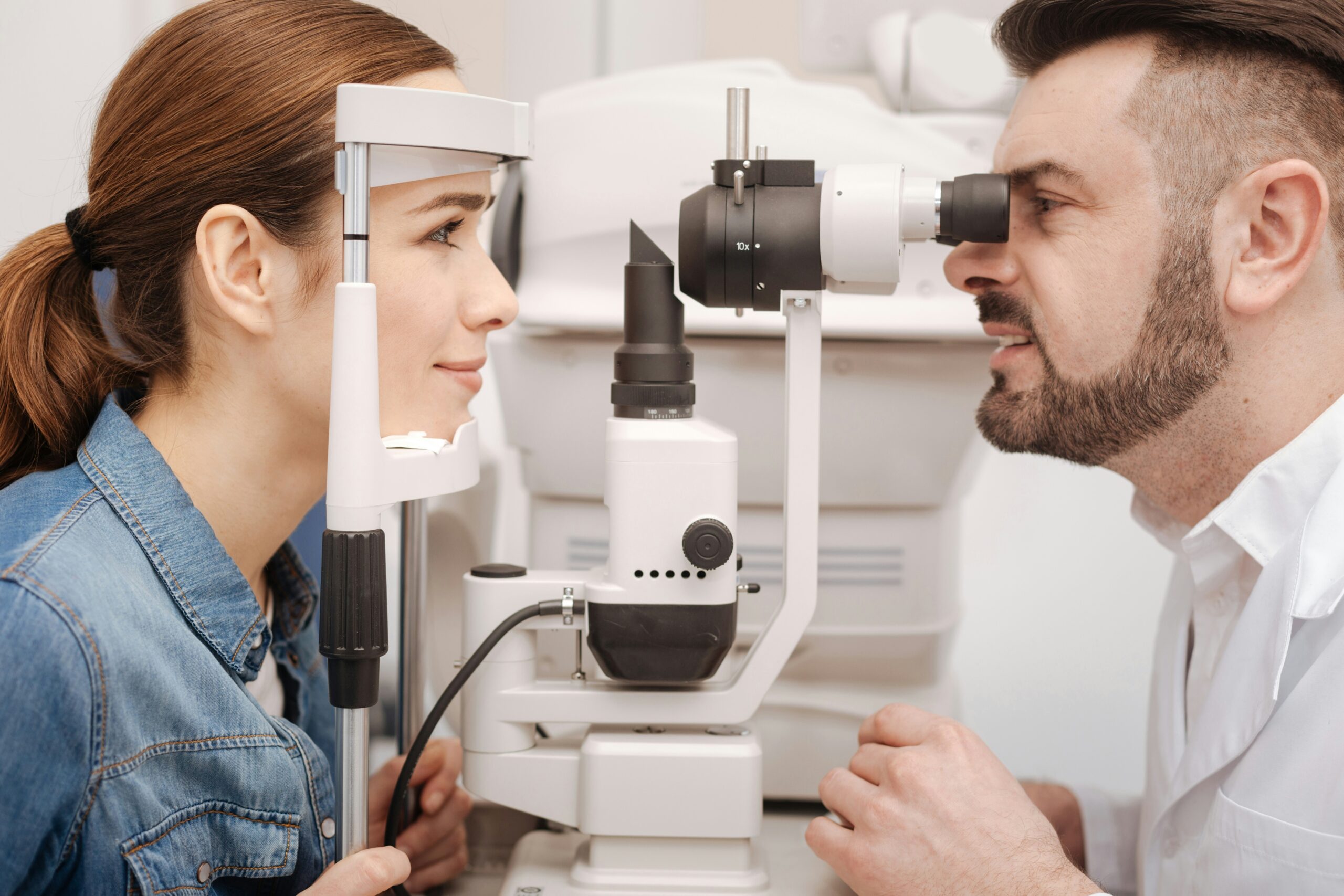
The process for refractive cataract surgery starts with a detailed eye examination. Surgeons use precise measurements to map the eye’s shape, size, and refractive errors. These measurements guide the selection of the best type of IOL for each individual. Once the surgery begins, the cloudy lens is broken up using ultrasound or laser technology and then replaced with the selected artificial lens.
Although the idea of eye surgery can seem intimidating, the procedure itself is quick and usually painless. Most surgeries take less than 30 minutes, and patients typically go home the same day. Because of the precision involved, surgeons can target vision correction with remarkable accuracy. With the use of laser-assisted techniques, the entire process becomes even more controlled, ensuring consistent results across both eyes.
Types of Intraocular Lenses (IOLs)
Choosing the right IOL is a key part of refractive cataract surgery. The options vary depending on the patient’s visual goals. Monofocal IOLs provide clear distance vision, which may still require glasses for reading. Multifocal IOLs, on the other hand, enable both near and far vision, allowing patients to switch between tasks with greater ease.
Another option is the toric IOL, which is specifically designed to correct astigmatism. These lenses have helped many patients achieve clearer and more stable vision. Surgeons carefully discuss these options with patients before surgery to ensure they understand the benefits and limitations of each type. Because the choice of lens directly affects visual outcomes, this consultation process is one of the most important steps toward achieving the desired results.
Benefits of Refractive Cataract Surgery
The biggest advantage of refractive cataract surgery is its dual benefit—restoring vision while improving clarity and reducing reliance on glasses or contact lenses. Many patients find that their visual quality improves significantly, especially when reading or driving in bright light. This improvement often enhances the overall quality of life.
Additionally, the results are long-lasting. Once the cloudy lens is replaced, cataracts cannot recur in the same eye. Patients also appreciate the faster recovery time compared to other vision procedures. Within a few days, many people return to normal activities with sharper vision and greater confidence. The combination of cataract removal and vision correction often makes refractive cataract surgery an attractive choice for those seeking convenience and lasting benefits.
Risks and Considerations
Like any surgery, refractive cataract procedures carry some risks. Common side effects may include temporary blurred vision, glare, or dry eyes. These symptoms usually fade during recovery. However, in rare cases, complications such as infection or lens dislocation can occur. Choosing a skilled surgeon and following postoperative care instructions can greatly reduce these risks.
It’s also important to set realistic expectations. While refractive cataract surgery significantly reduces the need for glasses, some patients may still require them for specific tasks, such as reading very small print. Regular follow-up visits help ensure that the eyes heal properly and that the new lenses function as expected. Because every patient’s eyes are different, discussing all potential outcomes with a surgeon before surgery is essential.
Recovery and Aftercare
The recovery process for refractive cataract surgery is generally smooth. Most patients notice clearer vision within a few days, though full recovery can take several weeks. During this period, doctors usually prescribe eye drops to prevent infection and reduce inflammation. It’s also important to avoid strenuous activity or rubbing the eyes to allow proper healing.
Follow-up appointments play a key role in monitoring progress. Surgeons check how well the IOLs are functioning and ensure that the eyes are adjusting as expected. With consistent care and patience, patients typically experience steady improvement in visual clarity. As the results continue to stabilize over time, many people find that their vision becomes sharper during the months following surgery.
The Role of Technology in Modern Eye Care
Advancements in eye care technology have made refractive cataract surgery safer and more precise than ever. Modern laser systems, computer-guided imaging, and premium IOL designs allow surgeons to plan and perform surgeries with exceptional accuracy. These innovations not only improve visual outcomes but also enhance safety during and after the procedure.
Furthermore, digital imaging helps surgeons predict how the eyes will respond to different lens types. This predictive capability reduces uncertainty and improves patient satisfaction. As the field of ophthalmology continues to evolve, refractive cataract surgery will become even more efficient and personalized, allowing patients to have greater control over their visual future.
Refractive cataract surgery represents a major advancement in vision correction. It combines the effectiveness of cataract removal with the precision of refractive techniques, providing patients with the opportunity to see clearly without relying heavily on glasses. The procedure is safe, efficient, and highly customizable, which makes it one of the most rewarding options for those facing cataracts.
As technology and surgical methods continue to advance, patients can anticipate even more improved visual outcomes. Understanding the procedure, its benefits, and what to expect before and after surgery helps ensure the best results. With proper guidance from a skilled eye surgeon, refractive cataract surgery can truly transform the way people see and experience the world.